
Holiday merchandise often arrives before your store has room for it. Gift sets fill the stockroom, promotional displays compete with everyday inventory, and shipping boxes start piling up near the checkout counter. Once shopping picks up, finding space becomes another task on an already busy list.
For businesses looking for retail inventory storage in Colorado Springs, an on-site storage container can provide extra room for suitable seasonal merchandise and supplies. With a clear organization plan, that space can support your store from the first holiday shipment through the last round of returns.
Plan Storage Around Your Holiday Inventory Calendar
Start with your delivery schedule rather than waiting until the stockroom is full.
Look at when seasonal merchandise will arrive, when each promotion begins, and how much inventory you expect to keep in reserve. Include the space needed for displays, gift packaging, online order supplies, and products returned after the holidays.
Separate your storage needs into three stages:
- Before the rush: Early shipments, promotional materials, and displays waiting for installation.
- During peak shopping: Replenishment stock, gift packaging, and order fulfillment supplies.
- After the holidays: Returns awaiting review, unsold seasonal products, and dismantled displays.
Planning for all three helps prevent a December storage solution from becoming a January bottleneck.
Keep Reserve Stock Off the Sales Floor
Extra inventory should support your displays without taking over the shopping area. Stacks of unopened cartons can make merchandise harder to browse and leave employees moving boxes whenever they need to restock.
Keep the quantities needed for daily sales inside the store, then use supplemental storage for suitable reserve stock. Review that balance regularly as demand changes.
For example, if a seasonal item sells quickly, keep its next replenishment batch easy to reach. Merchandise for a later promotion can stay farther back until its launch date approaches.
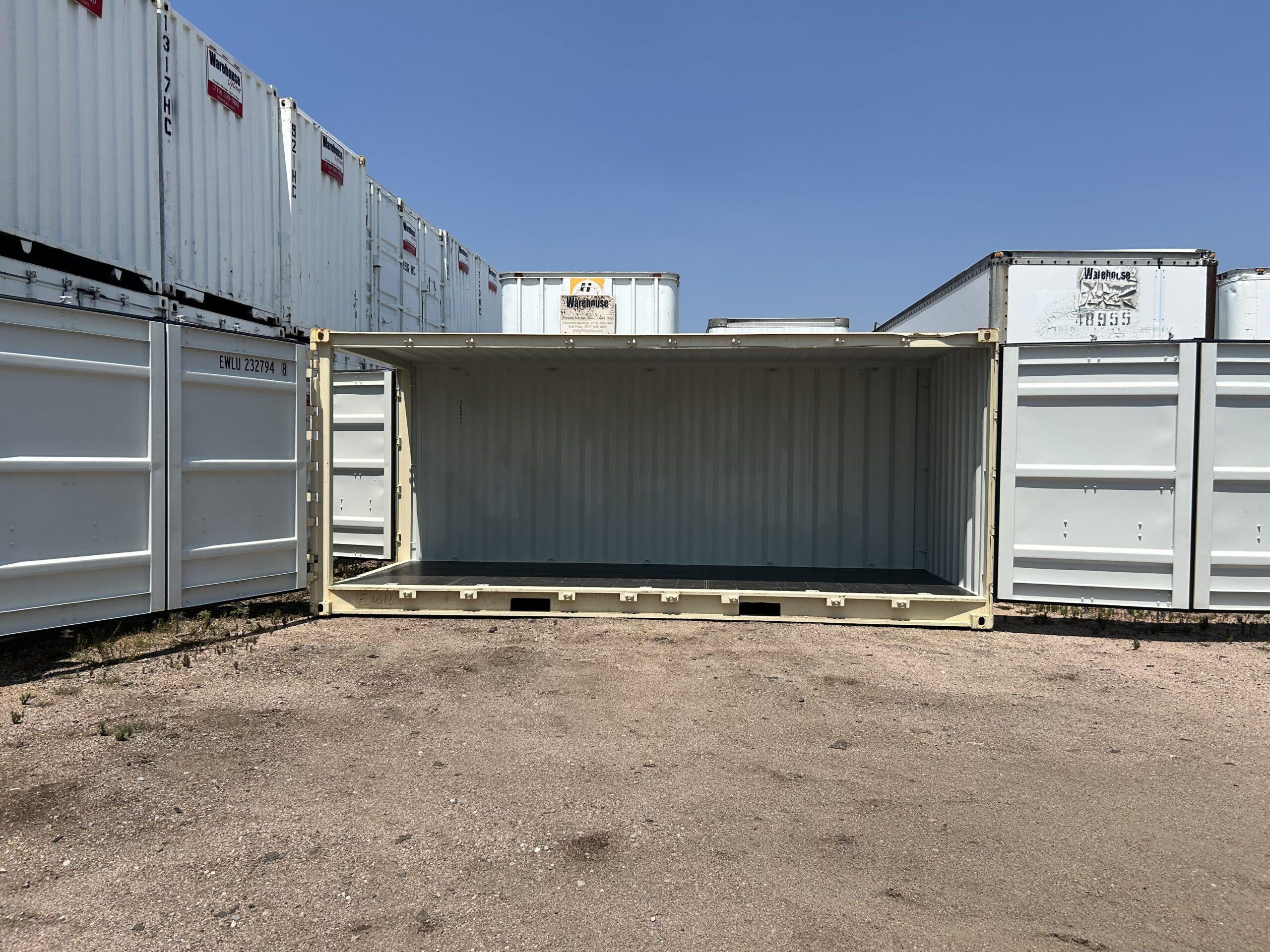
Warehouse Options provides retail storage solutions that can serve as an extension of a store’s existing stockroom, with containers placed on-site or at an approved nearby location.
The benefit comes from having a system. Assign someone to check stock levels, record transfers, and flag products that need to move back into the store.
Give Holiday Displays Their Own Storage Area
Seasonal fixtures can take up more room than expected. Artificial trees, sign holders, display stands, shelving components, and decorative props often arrive before the store is ready for its holiday reset.
Give these items a designated area separate from sellable merchandise. That makes it easier to find the right display pieces without opening inventory cartons or shifting stacks of products.
Before putting displays away:
- Group components by display or department.
- Keep hardware in labeled bags attached to the matching fixture.
- Photograph assembled displays to make future setup easier.
- Protect fragile pieces with suitable padding.
- Label boxes with their contents and planned installation date.
Once the holidays end, inspect displays before storing them again. Repair or discard damaged pieces rather than saving a box of problems for next year.
Organize Packaging Without Overloading the Packing Station
Gift bags, tissue paper, shipping cartons, tape, and protective packing materials are essential during the holiday rush. They also take up valuable space when every supply order stays beside the register or packing table.
Keep a working supply inside the store and move suitable excess materials into clearly labeled storage. Set a replenishment point for each item so employees know when to bring in another batch.
For example, the packing station might hold enough supplies for the next day or two, while reserve cartons are organized by size in storage. This keeps employees from searching through mixed bundles when orders are waiting.
Store paper and cardboard materials dry and raised off the floor on appropriate shelving or pallets. Avoid putting heavy merchandise on top of empty cartons, gift bags, or wrapping supplies that can crush easily.
Create a Separate Process for Holiday Returns
Returns need their own space and their own status. Mixing returned products with new inventory makes it harder to tell what is ready to sell, what needs inspection, and what should go back to a supplier.
Process incoming returns inside the store first. Check the item, update your inventory records, and decide where it belongs before moving it into supplemental storage.
Use clearly marked categories such as:
- Ready to restock
- Awaiting inspection
- Return to vendor
- Damaged or unsellable
Only place products in a container if their storage requirements allow it. Keep unresolved returns separate from sellable reserve stock, and schedule regular reviews so items do not sit forgotten after the holiday rush.
A designated returns area also makes the transition to January clearance sales and new merchandise easier to manage.
Set Up the Container for Easy Restocking
A container packed from floor to ceiling may hold plenty of boxes, but it will be frustrating to use if employees cannot reach what they need.
Build the layout around access. Keep frequently retrieved products near the doors and later-season items farther back. Leave a clear aisle and use shelving rated for the loads you plan to store.
Every carton should have a readable label showing the product, quantity, and storage location. A simple location system, such as “Shelf A, Level 2,” can work alongside your existing inventory software or a shared stock list.
Record every transfer between the store and the container. That prevents stock from appearing unavailable simply because it has moved outside.
Keep heavier cartons lower and avoid unstable stacks. Leave enough room for employees to retrieve items without unloading an entire section.
Confirm Placement Before Scheduling Delivery
Convenient access matters, especially when employees will be retrieving stock throughout the day. Identify a possible placement area, then review it with your property manager and storage provider.
Consider the route between the store and container, space for the doors to open, delivery equipment access, drainage, and how employees will reach it during snow or icy conditions.
Keep customer routes, loading areas, and building access clear. Confirm property approval and any applicable placement requirements before booking delivery.
Warehouse Options uses side-loader equipment to place containers at ground level. Its team reviews the delivery location and site details during scheduling. Learn more about the container delivery process before choosing your placement spot.
Choose a Rental Timeline That Includes the Cleanup
Holiday storage needs rarely end on December 26. Returns, clearance merchandise, and display removal can keep extra space useful well into January.
Estimate your rental period from the first incoming shipment through the final inventory review. When comparing options, request a quote that accounts for the container, delivery, pickup, and expected duration.
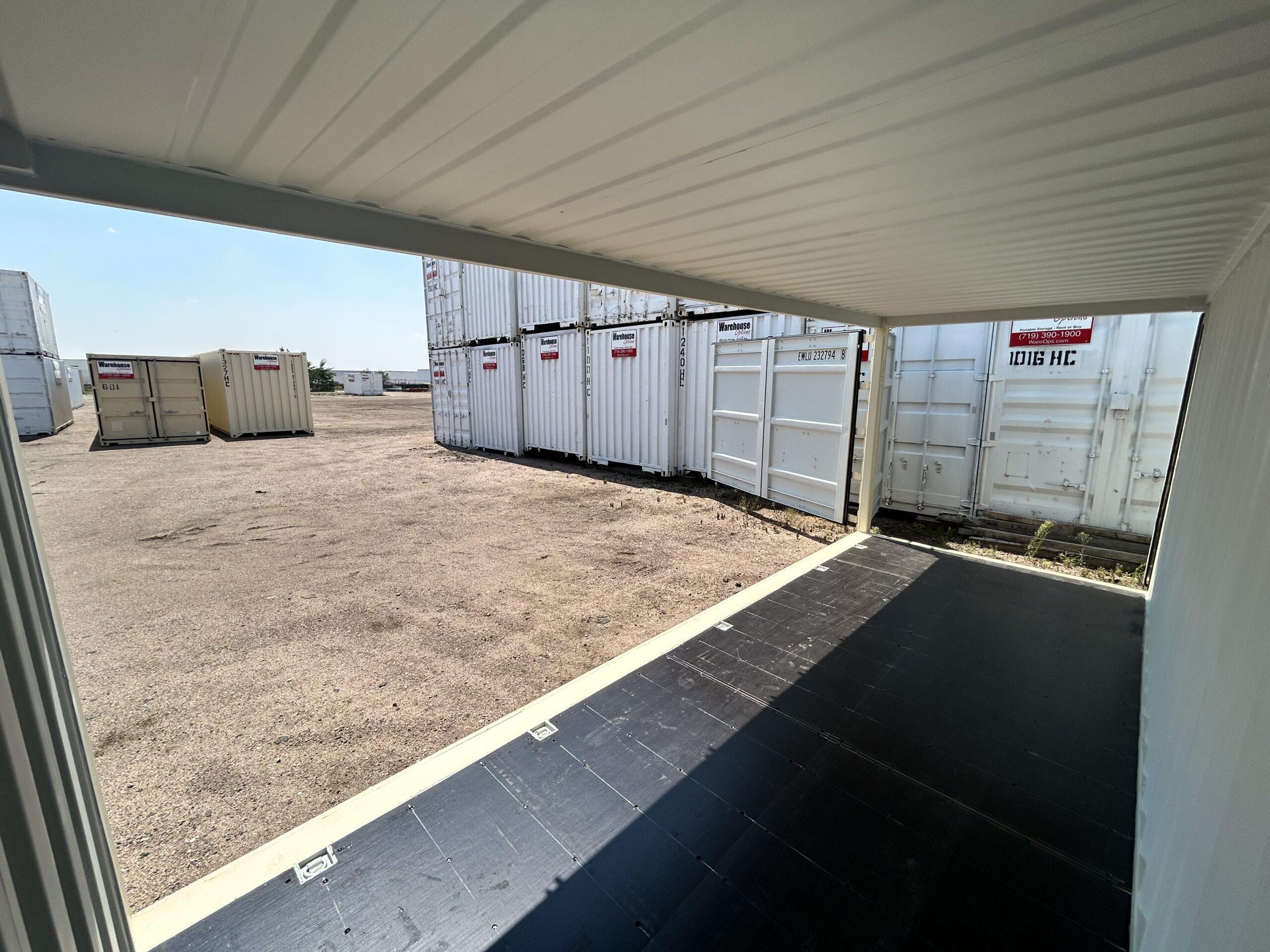
Warehouse Options offers month-to-month leases, along with 20-foot and 40-foot ground-level containers. Its storage container rentals give retailers options for different inventory volumes and available site space.
Allow room for shelving and access when choosing a size. A container needs to function as usable storage, not just fit the total number of cartons.
Make Room for a Better Holiday Shopping Experience
A workable holiday storage plan gives every item a place: merchandise ready for sale, reserve stock waiting for replenishment, displays awaiting setup, and returns needing attention.
Warehouse Options can help you plan supplemental storage for your Colorado Springs retail business. Share your inventory needs, proposed placement location, and seasonal timeline to discuss available options.
Request a free storage quote or call (719) 390-1900 to get started.