
When you need extra space for equipment, inventory, household belongings, or a project, a storage container can give you secure storage right where you need it. The bigger question is whether it makes more sense to rent a storage container or purchase one outright.
Buying has its advantages, especially for permanent storage needs. But if you only need extra space for a few months, have an uncertain timeline, or simply do not want the responsibilities that come with ownership, renting may be the better fit.
Here are some of the biggest benefits of renting a storage container instead of buying one.
Spend Less Upfront
Cost is one of the clearest differences between renting and buying a storage container. Purchasing requires a much larger upfront investment, plus potential delivery and setup costs. Renting spreads the expense over time through monthly payments.
That can make a big difference for homeowners managing a renovation, contractors working within a project budget, or businesses that would rather keep cash available for day-to-day operations.
Instead of putting thousands of dollars into a container you may only need temporarily, you pay for storage during the period you actually use it.
Keep Your Storage Options Flexible
Your storage needs today may not be the same six months from now.
A homeowner might need temporary storage while remodeling a kitchen or preparing for a move. A contractor may need a container until a job wraps up. A retailer could need additional inventory space during its busiest season.
Renting gives you more flexibility in each of these situations. When you are finished with the container, you can arrange for pickup rather than being left with an asset you no longer need.
This is particularly useful when you do not know exactly how long your storage needs will last.
Avoid Being Stuck With a Container You No Longer Need
Buying makes the most sense when you know you will use the container for years. Otherwise, ownership can create another problem: what do you do with the container when you are finished?
You need enough space to keep it, and local property or zoning requirements may affect where it can be placed. If you move or lose access to the property where the container is stored, you will also need to arrange transportation or find another place for it.
In some cases, paying to move and store an owned container can reduce the savings you expected to gain by purchasing it.
Renting keeps things simpler. Use the container for the agreed rental period, extend the rental if necessary, and schedule pickup when you no longer need it.
Leave More of the Maintenance to the Provider
Storage containers are built to be durable, but they are not completely maintenance-free.
An owned container may eventually need attention to its doors, locking mechanisms, seals, flooring, exterior paint, or areas affected by rust and weather exposure. Those repairs become the owner’s responsibility.
With a rental container, responsibility for normal container maintenance typically remains with the rental provider, subject to the terms of the rental agreement.
For customers who simply want usable storage space without another piece of equipment to maintain, that can be a major advantage.
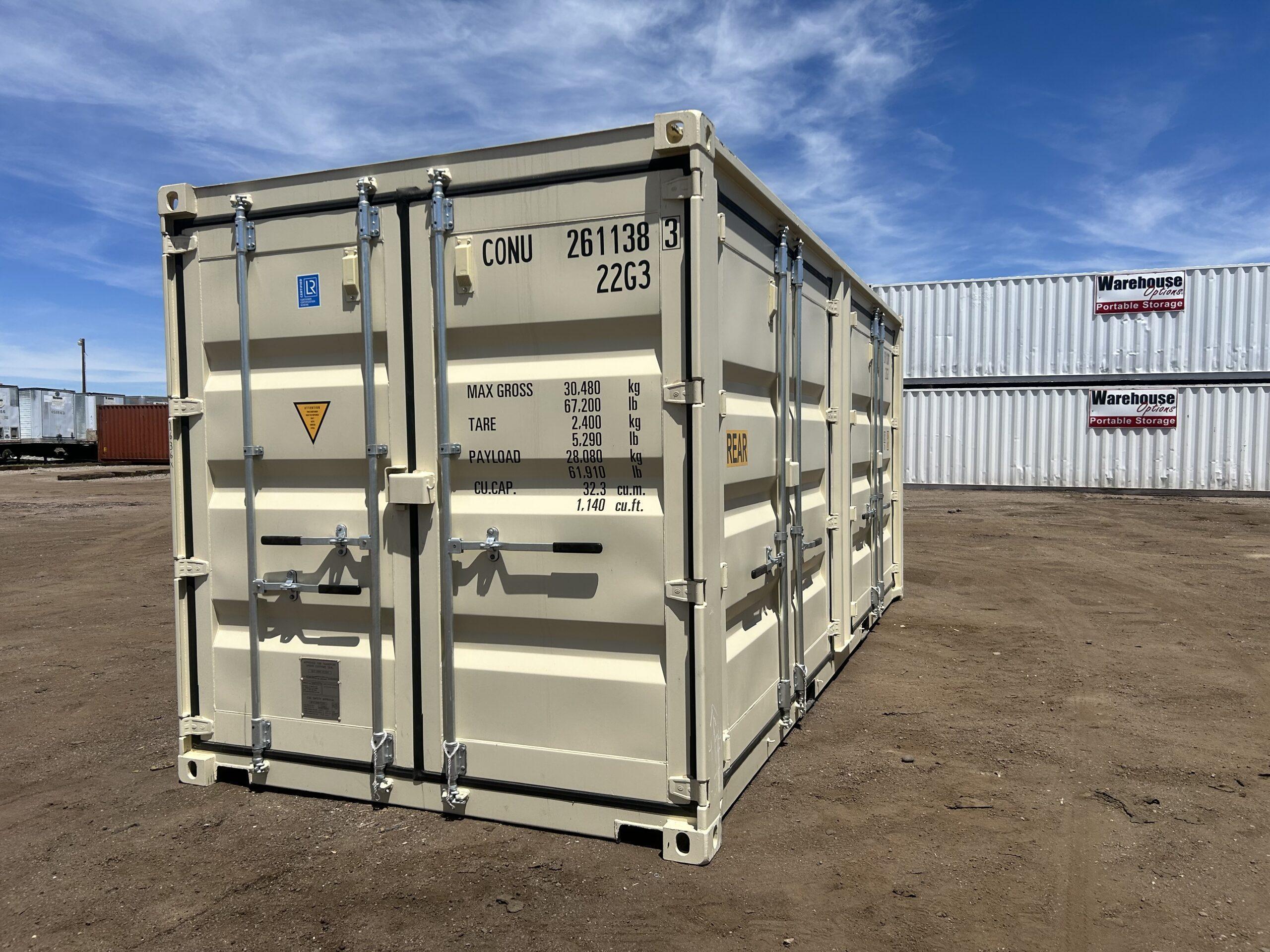
Make Delivery and Pickup Easier
A storage container is large and heavy, so moving one is not as simple as hooking up a trailer and taking it somewhere else.
When you buy a container, you generally need to coordinate transportation whenever it needs to be delivered or relocated. Depending on the container size, site conditions, and distance, specialized equipment may be required.
With a rental, delivery and pickup are typically part of the provider’s service. The container can be brought to your home, business, farm, or job site and picked up when the rental ends.
For contractors and businesses that regularly move between locations, having someone else handle the logistics can save considerable time and effort.
Skip the Resale Process
Every container you purchase eventually has to go somewhere.
If you decide to sell, you will need to find a buyer, agree on a price, and determine how the container will be transported. Depending on demand in your area, selling a used storage container may take time.
Renting removes resale from the equation. Once you are finished using the container, you schedule its return according to your rental agreement.
There is no listing to create, buyer to find, or transportation to negotiate.
Renting Can Make Budgeting More Predictable
Renting can also make storage expenses easier to plan.
Rather than making one large purchase and potentially dealing with unexpected maintenance or relocation expenses later, you have a recurring rental cost that can be incorporated into your monthly budget.
This can be particularly helpful for contractors and businesses that want to assign storage costs to a specific project, job site, or operating period.
Once the need ends, so does the rental expense.
When Does Buying a Storage Container Make Sense?
Renting is not automatically the right choice for everyone.
Buying may be worth considering when you expect to use the same container for several years and have a permanent, suitable place to keep it. Businesses with ongoing storage requirements may also find that ownership becomes more economical over a long enough period.
Buying may make sense if you:
- Need permanent or very long-term storage
- Have enough space to keep the container
- Expect to use it regularly for several years
- Are comfortable handling maintenance and repairs
- Can arrange transportation if the container needs to be moved
- Want the ability to modify or customize the container
The longer you expect to use a container, the more important it becomes to compare the total rental cost against the complete cost of ownership.
Renting vs. Buying: Which Is Right for You?
There is no single answer that works for every storage situation. The right choice depends largely on your timeline, budget, property, and how much responsibility you want to take on.
For short-term projects and changing storage needs, renting offers some clear advantages. You avoid a large upfront purchase, have fewer ownership responsibilities, and can have the container removed when you are finished with it.
Buying may offer better long-term value when you know the container will remain useful for years.
Before deciding, look beyond the purchase price alone. Compare the expected rental cost with the cost of buying, delivery, future transportation, maintenance, storage, and eventual resale. Looking at the complete cost will give you a much better idea of which option makes sense for your situation.
Get the Storage Space You Need Without the Commitment
Need extra storage but not ready to purchase a container? Renting gives you the space you need without the high upfront cost or long-term responsibility of ownership.
Contact us today to check container availability, discuss rental options, and request a free quote.